
Why AI Skills Are Now Mandatory for Digital Marketing Students


Digital marketing has evolved faster in the last five years than it did in the previous two decades. From automated ad bidding to AI-powered chatbots and predictive analytics, artificial intelligence is reshaping how brands communicate, convert, and retain customers. For students entering this field, AI is no longer optional—it’s essential.
If you’re planning to join a digital marketing institute in rohtak or are already enrolled in one, understanding AI is now part of building a future-proof career. Companies expect freshers to know how to use AI tools for content, SEO, advertising, and data analysis. Let’s explore why AI skills are now mandatory for digital marketing students and how they can stay ahead.
1. AI Is Redefining How Marketing Works
Traditional digital marketing relied heavily on manual research, guesswork, and repetitive processes. Today, AI tools analyze massive data sets in seconds, helping marketers make data-driven decisions.
Platforms like Google and Meta use AI algorithms to determine which ads to show, who to target, and how much to bid. Email platforms use AI to predict the best time to send messages. Content tools generate headlines and optimize copy automatically.
Students trained at a digital marketing institute in rohtak must understand how these systems work—not necessarily at a coding level, but at a strategic level. Knowing how to interpret AI-driven insights and optimize campaigns accordingly is now a basic expectation.
2. AI Powers Smarter SEO Strategies
Search Engine Optimization (SEO) has become deeply connected with AI. Search engines use machine learning to understand user intent, context, and content relevance.
For example, Google uses advanced AI models like RankBrain and BERT to interpret search queries. This means stuffing keywords is outdated; marketers must focus on semantic search, user intent, and high-quality content.
Students in a digital marketing institute in rohtak must learn how AI influences search rankings, how to use AI tools for keyword research, and how to optimize content based on data insights. AI-driven tools can:
- Analyze competitors in seconds
- Suggest content structures
- Predict ranking difficulty
- Identify content gaps
Without AI knowledge, SEO strategies become incomplete and outdated.
3. Content Creation Is Now AI-Assisted
Content remains king—but AI is now its trusted advisor.
From blog outlines to ad copy variations, AI tools help marketers create faster and test more effectively. However, AI-generated content still needs human creativity, emotional intelligence, and brand understanding.
Students learning in a digital marketing institute in rohtak should focus on:
- Prompt engineering for content tools
- Editing and refining AI-generated drafts
- Maintaining brand voice
- Fact-checking and personalization
AI does not replace marketers—it enhances their productivity. Students who know how to collaborate with AI will outperform those who rely solely on manual methods.
4. Data Analytics Is No Longer Optional
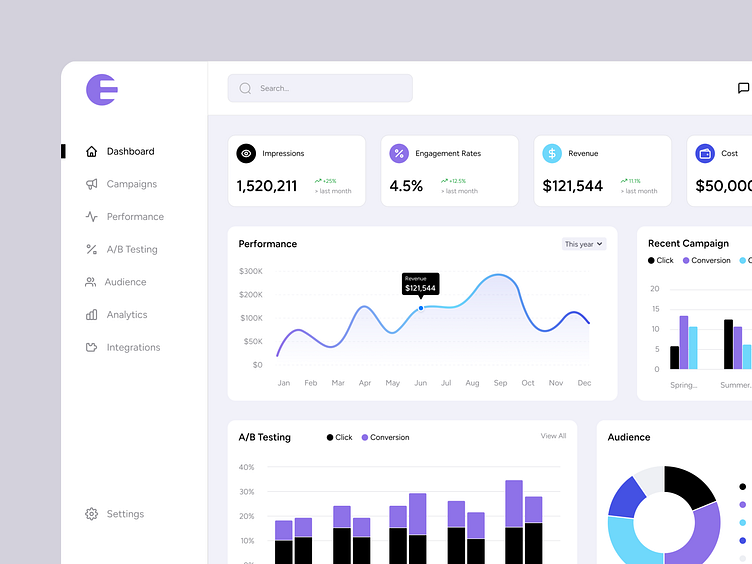
Digital marketing runs on data—clicks, impressions, engagement rates, conversion metrics, and customer journeys. AI makes sense of this data at scale.
With AI-powered dashboards, marketers can:
- Predict customer churn
- Forecast campaign performance
- Identify high-value audiences
- Personalize recommendations
A good digital marketing institute in rohtak now includes analytics training with AI-based tools. Students must understand how to interpret patterns, not just collect numbers.
Companies today prefer candidates who can say:
“I analyzed campaign data using AI tools and optimized ROI by 20%.”
That level of insight sets students apart in interviews.
5. Personalization Is the New Standard
Modern consumers expect personalized experiences. Whether it’s Netflix recommendations or Amazon product suggestions, AI drives personalization.
Amazon and Netflix use AI algorithms to analyze user behavior and suggest content or products tailored to individual preferences.
In digital marketing, personalization increases:
- Click-through rates
- Conversion rates
- Customer loyalty
- Brand trust
Students at a digital marketing institute in rohtak must learn how to segment audiences using AI tools and create hyper-targeted campaigns. Generic marketing is fading; intelligent marketing is rising.
6. Paid Advertising Is Fully AI-Driven
Platforms like Google Ads and Facebook Ads rely heavily on machine learning for automated bidding, audience targeting, and ad placement optimization.
Manual bidding strategies are being replaced with:
- Smart bidding
- Dynamic ads
- Automated targeting
- Performance-based optimization
Students who understand AI-based ad optimization can manage campaigns more efficiently and deliver better results.
A modern digital marketing institute in rohtak should train students not only to run ads but to understand how AI optimizes them behind the scenes.
7. Chatbots and Conversational Marketing
Customer service is now powered by AI chatbots that provide instant responses 24/7. These bots:
- Answer FAQs
- Capture leads
- Recommend products
- Book appointments
Conversational marketing tools are becoming standard in websites and social media platforms. Students trained at a digital marketing institute in rohtak need to understand chatbot setup, conversation flows, and integration with CRM systems.
AI-driven conversations improve user experience while reducing operational costs—making them a valuable skill for aspiring marketers.
8. Employers Expect AI Knowledge
Job descriptions for digital marketing roles now frequently mention:
- AI tools experience
- Marketing automation
- Data analytics
- Machine learning familiarity
Companies are no longer asking, “Do you know AI?”
They are asking, “Which AI tools have you worked with?”
Students graduating from a digital marketing institute in rohtak without AI exposure may struggle to compete in the job market. Recruiters look for candidates who can:
- Automate workflows
- Optimize campaigns using AI insights
- Analyze predictive reports
- Improve personalization strategies
AI skills are becoming as important as SEO and social media marketing.
9. AI Increases Efficiency and Productivity
Time is money in marketing. AI reduces time spent on repetitive tasks such as:
- Reporting
- A/B testing
- Keyword clustering
- Data cleaning
With AI handling operational tasks, marketers can focus on strategy and creativity.
A forward-thinking digital marketing institute in rohtak teaches students how to automate routine tasks so they can concentrate on high-impact activities.
10. The Future of Marketing Is Human + AI
AI is not replacing digital marketers—it is transforming them.
The future belongs to professionals who combine:
- Creativity
- Strategy
- Data interpretation
- AI tool expertise
Students must view AI as a collaborator, not a competitor. Learning AI inside a digital marketing institute in rohtak prepares them for emerging roles such as:
- Marketing automation specialist
- AI content strategist
- Growth hacker
- Data-driven performance marketer
These roles offer higher salaries and better career growth.
How Digital Marketing Students Can Start Learning AI
If you are currently studying or planning to enroll in a digital marketing institute in rohtak, here are practical steps to build AI skills:
- Learn basic data analysis concepts
- Use AI writing and SEO tools regularly
- Practice running AI-driven ad campaigns
- Study predictive analytics basics
- Understand marketing automation workflows
Hands-on experience matters more than theory.
How AI Skills Are Transforming Career Opportunities in Digital Marketing
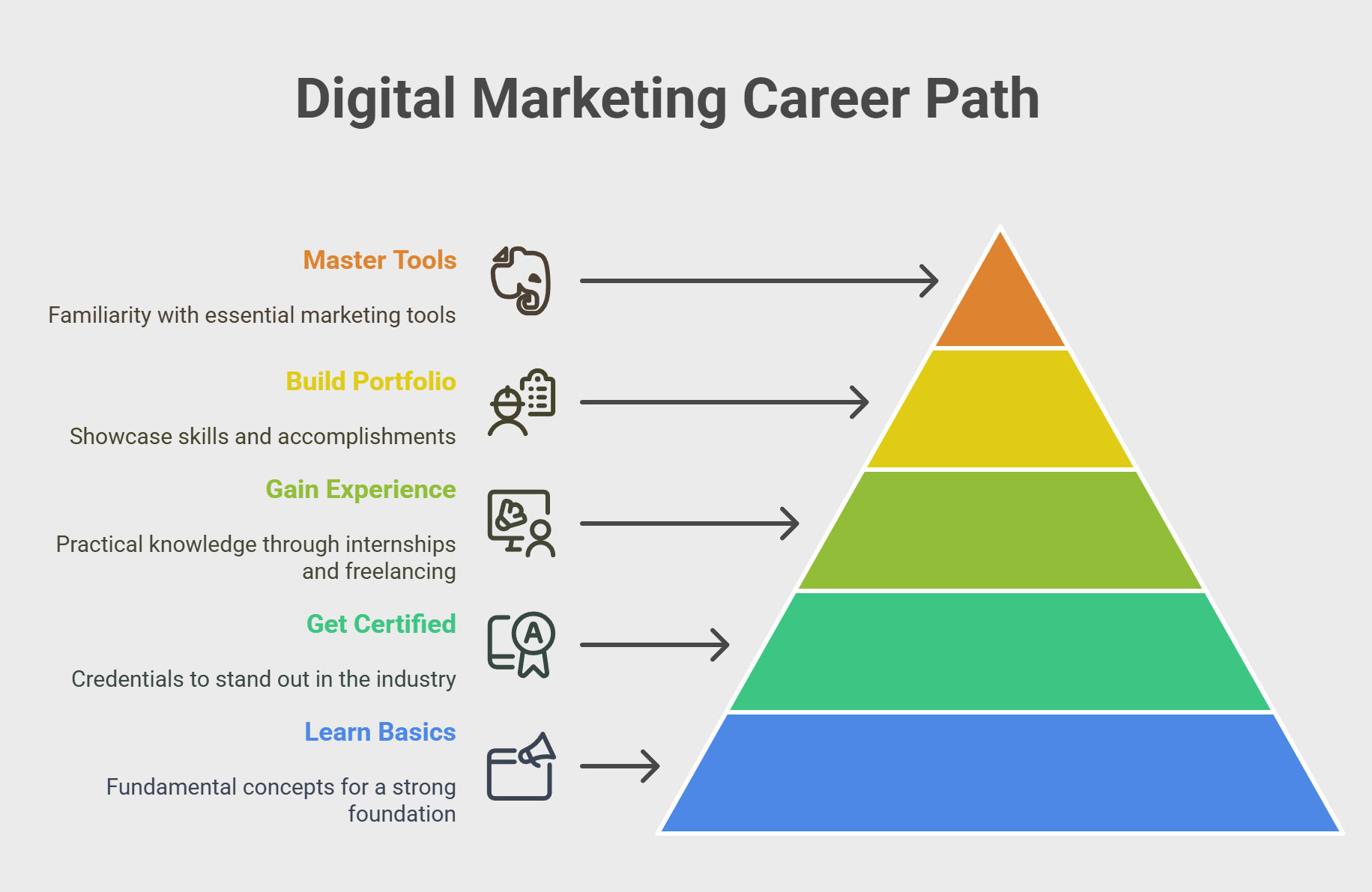
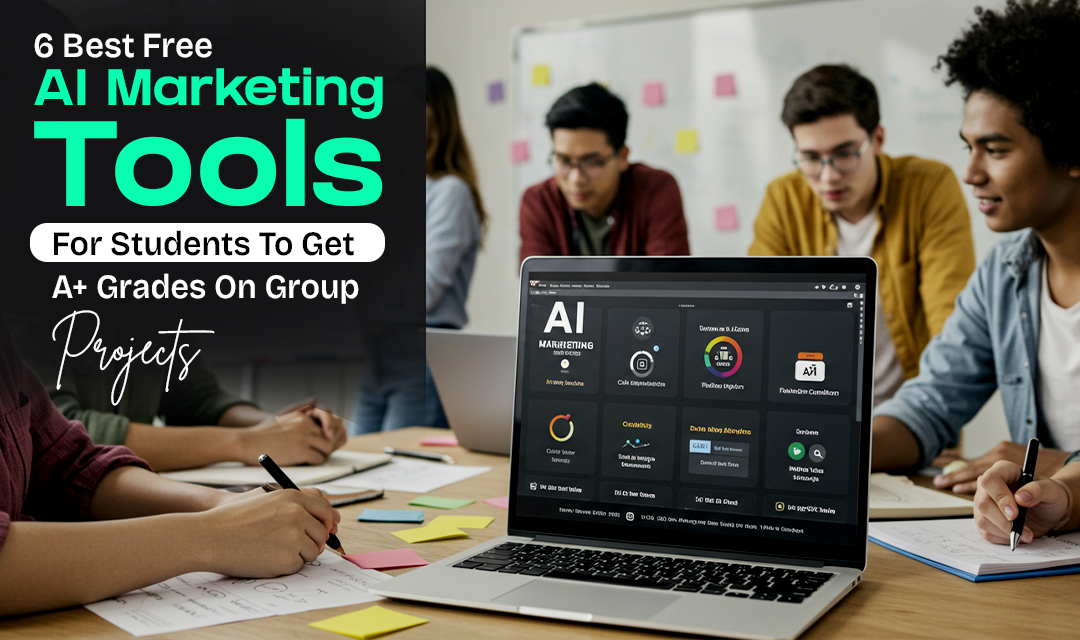
The digital marketing industry is no longer driven by guesswork and basic online promotions. Today, it runs on algorithms, automation, predictive analytics, and intelligent systems. Artificial Intelligence has reshaped not only how marketing campaigns are executed but also how careers are built.
For students planning to enroll in a digital marketing institute in rohtak AI knowledge is becoming a defining factor in career growth. Employers are actively looking for candidates who understand AI-driven marketing tools, automation systems, and data analytics platforms. In this fast-evolving landscape, AI skills are directly influencing salary potential, job roles, and long-term stability.
Let’s explore how AI is transforming career opportunities for digital marketing students and why choosing the right digital marketing institute in rohtak matters more than ever.
The Shift from Traditional Roles to AI-Enhanced Roles
A few years ago, digital marketing roles were limited to SEO executives, social media managers, and PPC specialists. While these roles still exist, they have evolved significantly.
Today, companies expect professionals to:
- Use AI tools for keyword research
- Automate email marketing campaigns
- Analyze predictive data
- Optimize ad performance using machine learning
- Personalize content using AI insights
Major platforms like Google and Meta integrate AI deeply into their advertising and analytics systems. Without understanding how these systems function, marketers cannot fully optimize campaigns.
A modern digital marketing institute in rohtak now integrates AI modules into SEO, paid ads, content marketing, and analytics training. Students who develop these skills early gain a significant advantage in the job market.
High-Demand AI-Driven Marketing Roles
Artificial Intelligence has created new job roles that didn’t exist a decade ago. Some of the most in-demand AI-integrated marketing roles include:
1. Marketing Automation Specialist
Professionals who set up automated workflows, email funnels, and lead nurturing systems using AI-powered tools.
2. Performance Marketing Analyst
Experts who analyze campaign data using predictive models to improve ROI.
3. AI Content Strategist
Specialists who combine AI-generated drafts with human creativity to scale content production.
4. Growth Hacker
Data-driven marketers who use AI tools to identify growth opportunities quickly.
Students graduating from a digital marketing institute in rohtak with AI exposure are more likely to qualify for these advanced roles rather than entry-level execution-only positions.
Salary Growth with AI Expertise
AI skills significantly increase earning potential. Companies are willing to pay more for professionals who can:
- Reduce marketing costs through automation
- Improve conversion rates using predictive analytics
- Optimize ad budgets intelligently
- Deliver measurable ROI
Organizations using platforms like HubSpot and Salesforce rely heavily on AI-based automation. Marketers who know how to operate these systems command higher salaries because they directly impact business revenue.
A quality digital marketing institute in rohtak prepares students not only to run campaigns but also to measure performance using AI dashboards and reporting tools. That analytical ability often becomes the key factor during promotions and salary negotiations.
AI Makes Freelancing and Entrepreneurship Easier
AI is not only transforming corporate jobs—it’s also empowering freelancers and entrepreneurs.
With AI tools, independent marketers can:
- Generate content faster
- Analyze market trends
- Create automated sales funnels
- Run optimized ad campaigns
- Provide advanced analytics reports
This means one skilled professional can handle the workload that previously required an entire team.
Students trained in a digital marketing institute in rohtak that focuses on AI-driven tools can start freelancing early. They can offer services like AI-powered SEO audits, automated email setup, chatbot integration, and performance-based advertising.
AI reduces operational effort and increases scalability, making entrepreneurship more accessible.
Smarter Decision-Making with Predictive Analytics
One of AI’s biggest advantages in marketing careers is predictive analysis. Instead of reacting to past performance, AI helps marketers forecast future outcomes.
For example:
- Predicting which leads are most likely to convert
- Forecasting campaign performance before launch
- Identifying customer churn risks
- Optimizing product recommendations
Companies like Amazon use AI to personalize recommendations and maximize conversions. Understanding similar predictive systems gives marketers a strategic advantage.
A forward-thinking digital marketing institute in rohtak trains students to interpret data patterns and make strategic decisions based on AI insights. That ability separates average marketers from high-level strategists.
Competitive Advantage in the Job Market
The job market is becoming increasingly competitive. Recruiters receive hundreds of applications for a single marketing role. What makes a candidate stand out?
AI expertise.
When students from a digital marketing institute in rohtak demonstrate practical knowledge of:
- AI-powered SEO tools
- Automated ad optimization
- Marketing analytics dashboards
- Customer segmentation using machine learning
They position themselves as future-ready professionals.
Employers prefer candidates who require less training and can immediately adapt to AI-based systems already in use within the organization.
Automation Reduces Repetitive Work
Traditional marketing required hours of manual reporting, keyword clustering, competitor analysis, and A/B testing. AI now automates these tasks efficiently.
Marketing platforms use machine learning to:
- Adjust bids automatically
- Identify high-performing creatives
- Generate performance reports
- Segment audiences dynamically
Students trained in a digital marketing institute in rohtak that emphasizes automation can focus more on strategy, creativity, and growth rather than repetitive tasks.
This shift allows professionals to take on leadership roles faster because they are not limited to execution-only responsibilities.
AI Strengthens Data Interpretation Skills
Data literacy is becoming as important as creativity in marketing careers. AI tools generate massive amounts of data, but interpreting that data requires skill.
Students must learn:
- How to read performance dashboards
- How to identify meaningful KPIs
- How to optimize campaigns based on patterns
- How to communicate insights clearly
A strong digital marketing institute in rohtak incorporates real-time analytics projects, helping students practice decision-making based on AI reports.
This skill set is highly valued in managerial and strategic roles.
Future-Proofing Your Career
Technology evolves rapidly. What works today may become outdated tomorrow. However, AI knowledge is adaptable across multiple marketing channels:
- Search engine optimization
- Social media advertising
- Email marketing
- Content creation
- E-commerce optimization
AI tools are becoming standard across all these channels. Students who learn AI fundamentals inside a digital marketing institute in rohtak build a foundation that remains relevant even as platforms change.
Future marketing leaders will not just understand trends—they will understand the algorithms behind them.
Why Choosing the Right Institute Matters
Not every course includes advanced AI training. Before enrolling in adigital marketing institute in rohtak students should check whether the curriculum includes:
- AI-based SEO tools
- Marketing automation platforms
- Predictive analytics
- AI-driven ad optimization
- Chatbot integration
- Data visualization tools
Hands-on training is essential. Theory alone is not enough. Real-world projects using AI tools prepare students for industry demands.
Building AI Skills as a Student
If you are currently studying in a digital marketing institute in rohtak here are practical steps to strengthen your AI skills:
- Practice using AI writing tools responsibly.
- Learn automation workflows for email marketing.
- Explore predictive analytics basics.
- Study how AI impacts ad targeting algorithms.
- Analyze campaign reports regularly.
Consistency in learning and experimentation builds confidence.
The Human Element Still Matters
While AI enhances marketing performance, human creativity, emotional intelligence, and storytelling remain irreplaceable.
AI can analyze data and generate drafts, but it cannot fully understand cultural nuances, brand emotion, or human psychology the way skilled marketers can.
Students from a digital marketing institute in rohtak must learn to combine AI efficiency with human creativity. The strongest professionals are those who balance both.
How AI Is Revolutionizing SEO and Content Marketing for Students
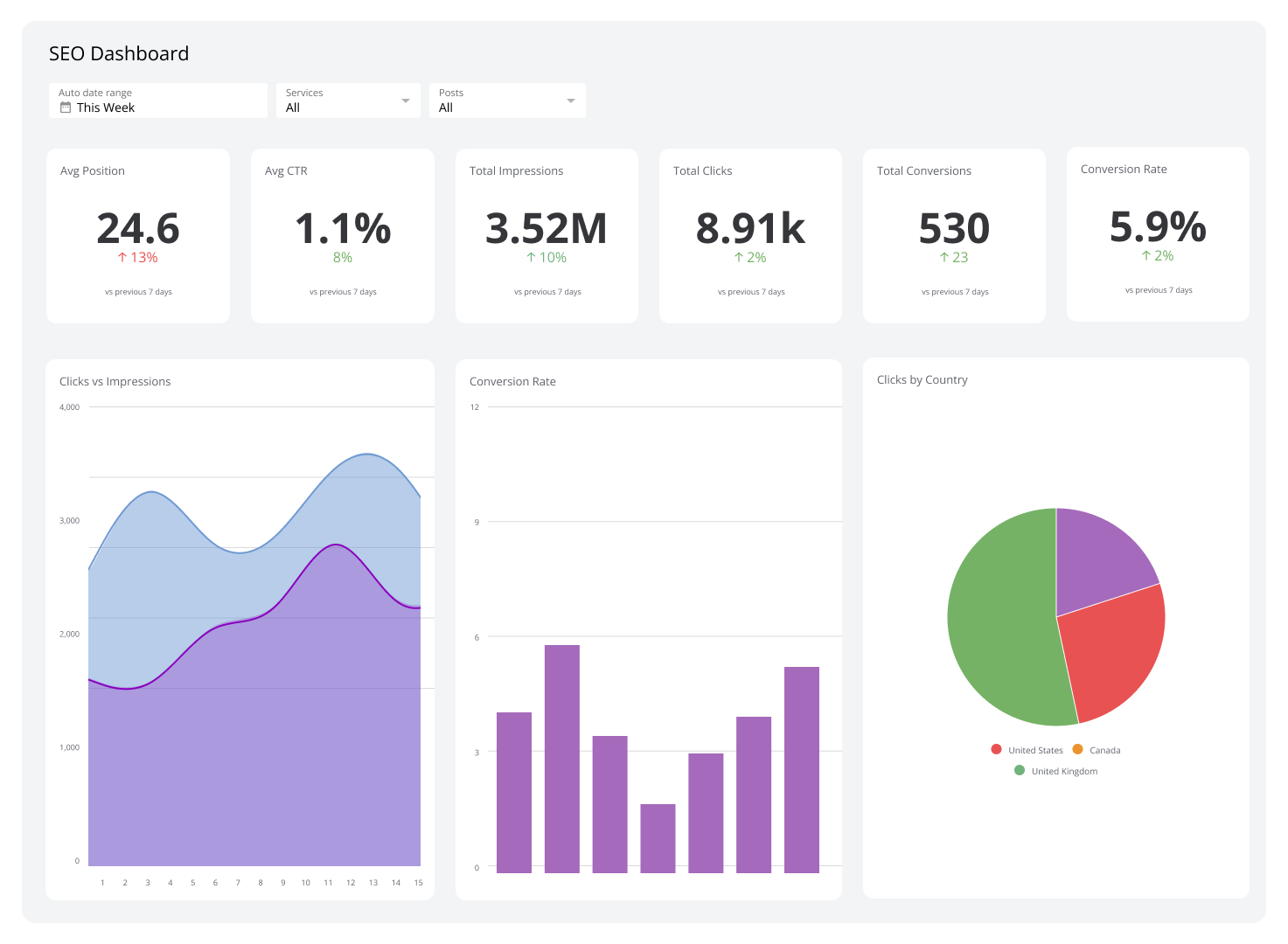

Search engine optimization and content marketing have always been at the heart of digital growth. But today, both fields are undergoing a massive transformation powered by Artificial Intelligence. Algorithms are smarter, search engines understand intent better, and content strategies are now driven by predictive insights instead of assumptions.
For students enrolled in a digital marketing institute in rohtak understanding how AI reshapes SEO and content marketing is no longer optional. It is a foundational skill that directly impacts career growth and industry relevance.
Let’s explore how AI is redefining SEO and content marketing—and why every student in a digital marketing institute in rohtak must master it.
The Evolution of SEO in the AI Era
SEO used to revolve around keyword density, backlinks, and basic on-page optimization. While these elements still matter, search engines have evolved significantly.
Search engines like Google use AI-powered systems such as RankBrain and BERT to interpret user intent rather than just matching keywords. This means search engines now understand context, synonyms, and conversational queries.
For students in a digital marketing institute in rohtak, this shift changes how SEO must be approached:
- Focus on search intent instead of keyword stuffing
- Build topic authority rather than isolated pages
- Optimize for user experience and engagement
- Create semantically rich content
AI-driven algorithms reward relevance, clarity, and value.
AI-Powered Keyword Research
Traditional keyword research involved manual tools and basic competition checks. AI tools now analyze:
- Search intent patterns
- User behavior trends
- Seasonal search fluctuations
- Long-tail keyword opportunities
Instead of simply targeting high-volume keywords, AI helps marketers identify conversion-focused queries.
Students studying at a digital marketing institute in rohtak must learn how to interpret AI-generated keyword suggestions. It’s not about collecting hundreds of keywords; it’s about selecting the right ones aligned with business goals.
AI also helps cluster keywords into topic groups, making content planning more strategic and efficient.
Smarter Content Planning with AI
Content marketing is no longer about randomly publishing articles. AI tools now analyze competitors, identify content gaps, and suggest topic opportunities.
With AI, marketers can:
- Discover trending subjects
- Analyze top-ranking pages
- Identify missing subtopics
- Generate structured outlines
- Predict content performance
A forward-thinking digital marketing institute in rohtak trains students to use AI tools for content research while maintaining originality and authenticity.
AI assists in research—but strategic thinking remains human-driven.
Content Creation: Collaboration Between Human and Machine
AI writing tools can generate drafts, headlines, meta descriptions, and even long-form articles. However, raw AI content often lacks emotional depth and brand voice.
Students at adigital marketing institute in rohtak should learn how to:
- Write effective prompts
- Edit AI-generated drafts
- Improve readability
- Add real-world examples
- Optimize for engagement
The goal is not to replace writers but to enhance productivity.
Companies increasingly expect marketers to use AI tools responsibly. Those who know how to blend AI efficiency with human creativity gain a competitive edge.
AI and Search Intent Optimization
Understanding search intent is now one of the most critical SEO factors. AI systems categorize queries into:
- Informational
- Navigational
- Transactional
- Commercial investigation
Search engines analyze user behavior—click patterns, dwell time, and bounce rate—to evaluate content quality.
Students in a digital marketing institute in rohtak must learn to create content aligned with intent. For example:
- Informational content should educate thoroughly.
- Transactional pages should focus on clear CTAs.
- Commercial content should compare and review options.
AI tools can analyze SERPs (Search Engine Results Pages) and identify what type of content ranks for specific queries, helping marketers align strategy accordingly.
Content Personalization with AI
Modern audiences expect personalized experiences. AI tracks user behavior and tailors content recommendations accordingly.
Companies like Amazon and Netflix use AI to recommend products and shows based on browsing history and preferences.
In content marketing, personalization increases engagement and conversions. AI can:
- Suggest related articles
- Customize email content
- Display targeted offers
- Adapt website experiences
A strong digital marketing institute in rohtak introduces students to personalization strategies powered by AI-driven analytics.
AI in Content Optimization
Publishing content is only the first step. Optimization determines whether it ranks.
AI-based SEO tools analyze:
- Readability score
- Keyword distribution
- Semantic relevance
- Internal linking opportunities
- Backlink potential
These tools provide actionable recommendations to improve ranking potential.
Students in a digital marketing institute in rohtak should practice using AI optimization platforms to refine content before publishing.
This process improves efficiency and ensures content aligns with modern algorithm expectations.
Voice Search and AI
Voice search is growing rapidly with devices powered by AI assistants. Conversational queries are longer and more natural than typed searches.
For example, instead of typing:
“Best digital marketing course”
Users may ask:
“What is the best digital marketing course near me?”
Search engines interpret these conversational queries using AI models.
Students learning in adigital marketing institute in rohtakmust adapt content strategies to include:
- Conversational keywords
- FAQ sections
- Structured data
- Clear and direct answers
Voice search optimization is becoming an essential SEO skill.
AI-Driven Performance Analysis
SEO and content marketing success depends on performance tracking. AI dashboards provide deeper insights than traditional analytics.
Marketers can now:
- Predict ranking changes
- Identify traffic drop causes
- Analyze user engagement patterns
- Forecast conversion trends
Platforms like Google Analytics use machine learning to highlight key performance trends automatically.
A practical digital marketing institute in rohtak trains students to interpret these insights rather than just reading surface-level metrics.
Data interpretation separates strategic marketers from basic executors.
Competitive Analysis with AI
Understanding competitors is critical in SEO. AI tools now scan competitor websites and provide insights such as:
- Top-performing keywords
- Backlink sources
- Content gaps
- Ranking improvements
- Content structure patterns
Instead of manual analysis, AI reduces research time dramatically.
Students enrolled in a digital marketing institute in rohtak gain confidence when they learn how to use competitive insights to build stronger strategies.
Ethical Considerations in AI Content
While AI tools are powerful, ethical use is essential. Over-reliance on automation can lead to:
- Duplicate content issues
- Misinformation
- Lack of originality
- Reduced trust
Search engines prioritize helpful, accurate, and original content.
A responsible digital marketing institute in rohtak emphasizes ethical AI usage, fact-checking, and originality in content creation.
Human oversight remains crucial.
The Future of SEO and Content Marketing
AI will continue evolving. Future developments may include:
- Hyper-personalized search results
- Predictive content creation
- Automated strategy adjustments
- Advanced sentiment analysis
Students who understand AI fundamentals today will adapt more easily to future innovations.
Learning AI inside a digital marketing institute in rohtak builds a strong foundation for long-term success in SEO and content marketing careers.
Practical Steps for Students
If you are currently studying at a digital marketing institute in rohtak here are actionable steps to strengthen your AI-driven SEO skills:
- Practice AI-based keyword clustering.
- Study search intent behind ranking pages.
- Use AI tools for competitor research.
- Optimize content using AI recommendations.
- Track performance trends regularly.
Hands-on experimentation is key to mastery.
Conclusion
Artificial Intelligence is fundamentally transforming SEO and content marketing. From smarter keyword research to predictive analytics and personalized content, AI enhances both strategy and execution.
For students pursuing training in a digital marketing institute in rohtak, mastering AI is essential to remain competitive in today’s industry. Those who combine AI tools with creativity, ethical practices, and strategic thinking will lead the future of digital marketing.
SEO is no longer just about ranking—it’s about relevance, intent, and intelligent optimization.
And AI is the driving force behind it.
htps://www.instagram.com/idmsrohtak
tag:
idmsShare:

admin